

The Organic Extra Virgin Olive Oil in Every BELA Tin
Somewhere in the last few years, olive oil became something people have opinions about. It's on countertops in nice bottles. It gets talked about like wine, with regions and harvests and tasting notes. There are people who own three kinds.
Then you stand in front of the shelf and every bottle says extra virgin, every label has a hillside on it, and the prices run from six dollars to forty with no obvious reason why.
We've been buying olive oil since 1997, and we've never had that problem. Ours comes from one family, in one place, and it has for over a decade.
Where BELA's Olive Oil Comes From
A fifth-generation family farm in Talhas, in the Trás-os-Montes region of northern Portugal.Trás-os-Montes is one of Portugal's protected-origin olive oil regions, the way certain valleys in France are protected for wine. It's high, dry, and cold in winter, which is hard on trees and good for oil. Portugal is now the world's seventh-largest olive oil producer and fourth-largest exporter, and on pace to be third by 2030. Most people don't know that, because the American shelf is dominated by two other flags.Some of the trees in this grove are more than two thousand years old and still bearing fruit. It has survived fire, drought, and everything else twenty centuries can throw at it. Young trees now grow between the old ones, planted by a family that expects to still be there in a hundred years.
How the Oil Is Made
The olives come off in late November, when they're at their fattest and heaviest with oil. They're harvested by hand, cleaned, and sorted, then macerated in a churn and spun through a centrifuge.
Then it rests. Four months, before the oil is anywhere near ready to go into a tin.
During harvest the team works twenty-hour days, because the window is short and olives don't wait. That's an enormous amount of care for something most brands treat as packing liquid.
Why Olive Oil and Nothing Else
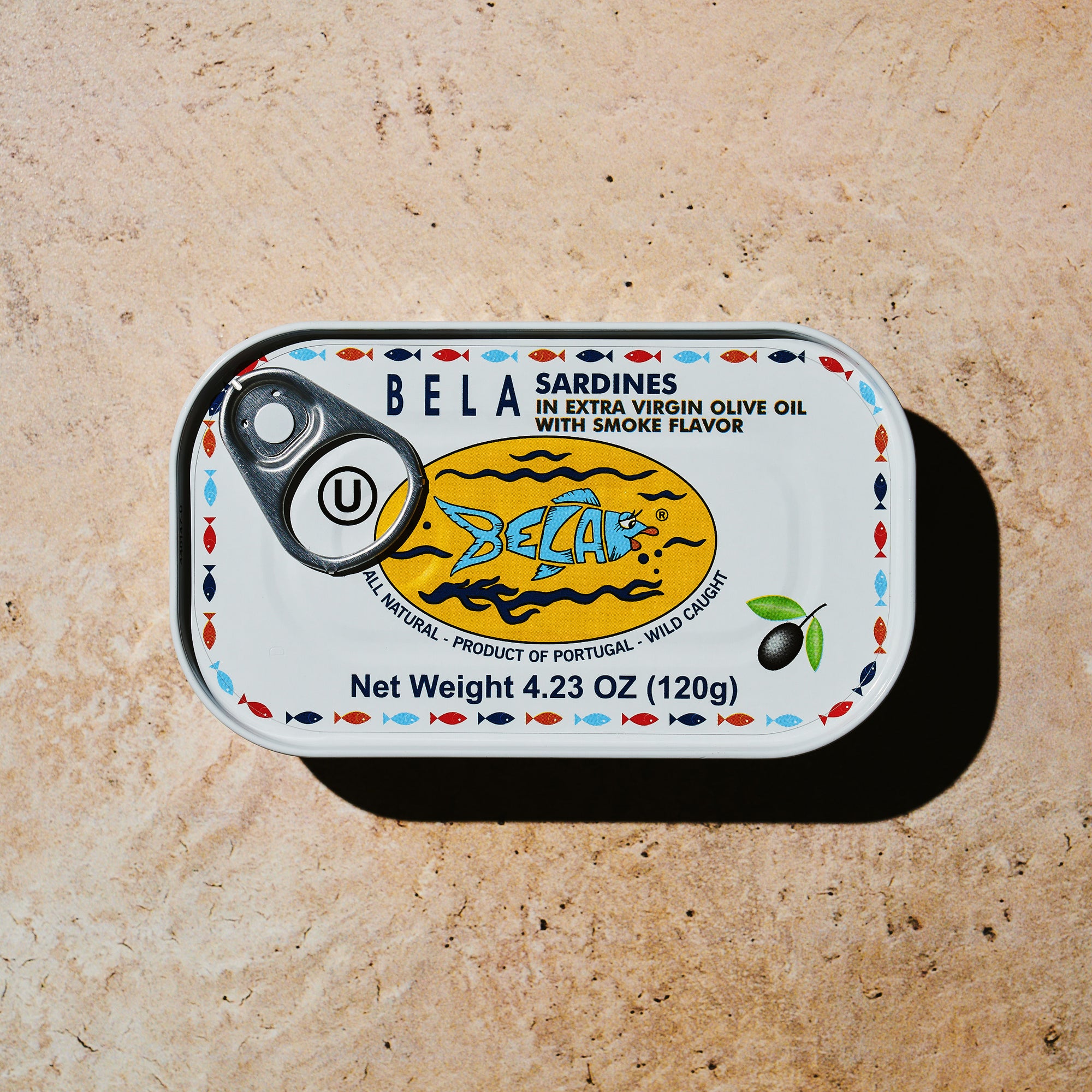
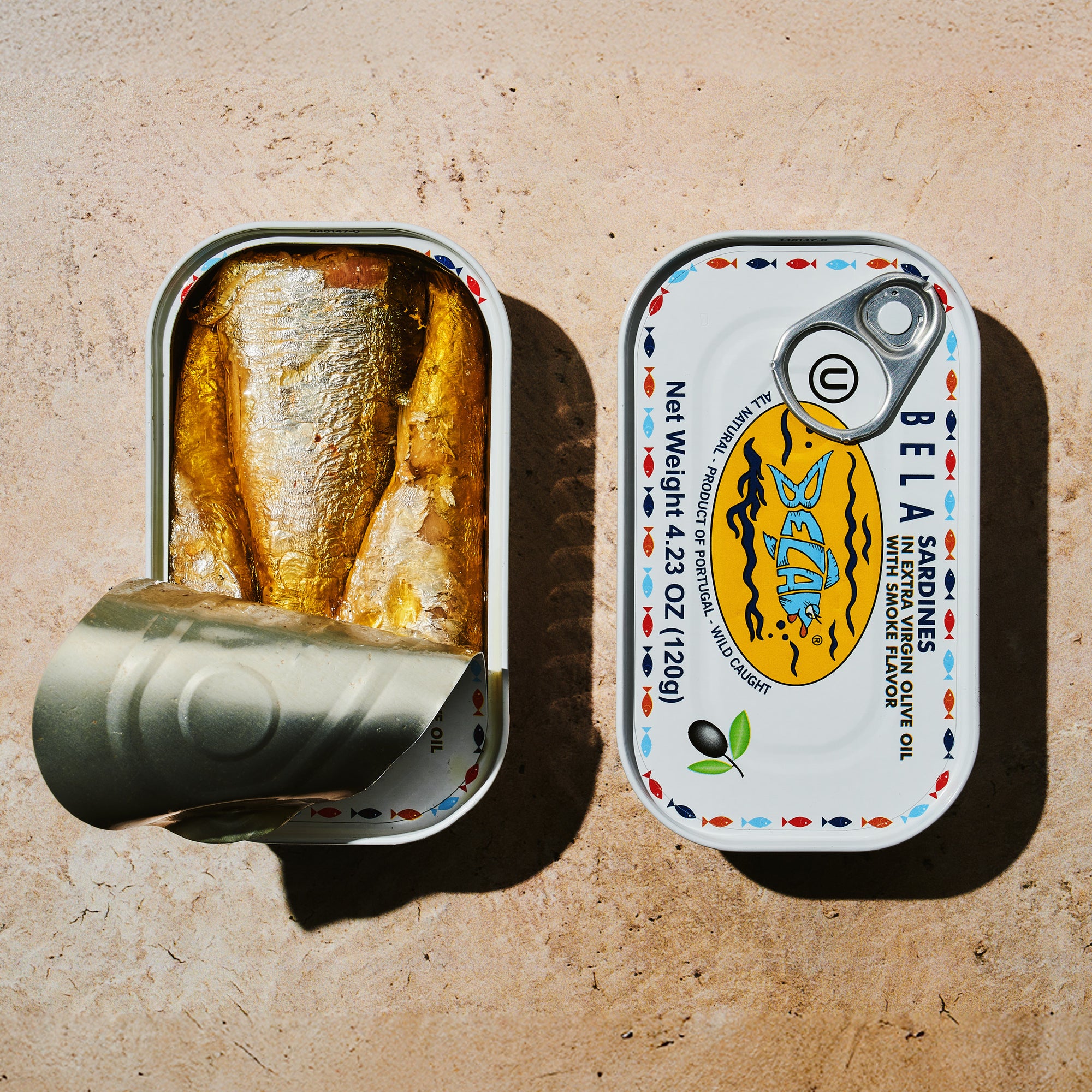
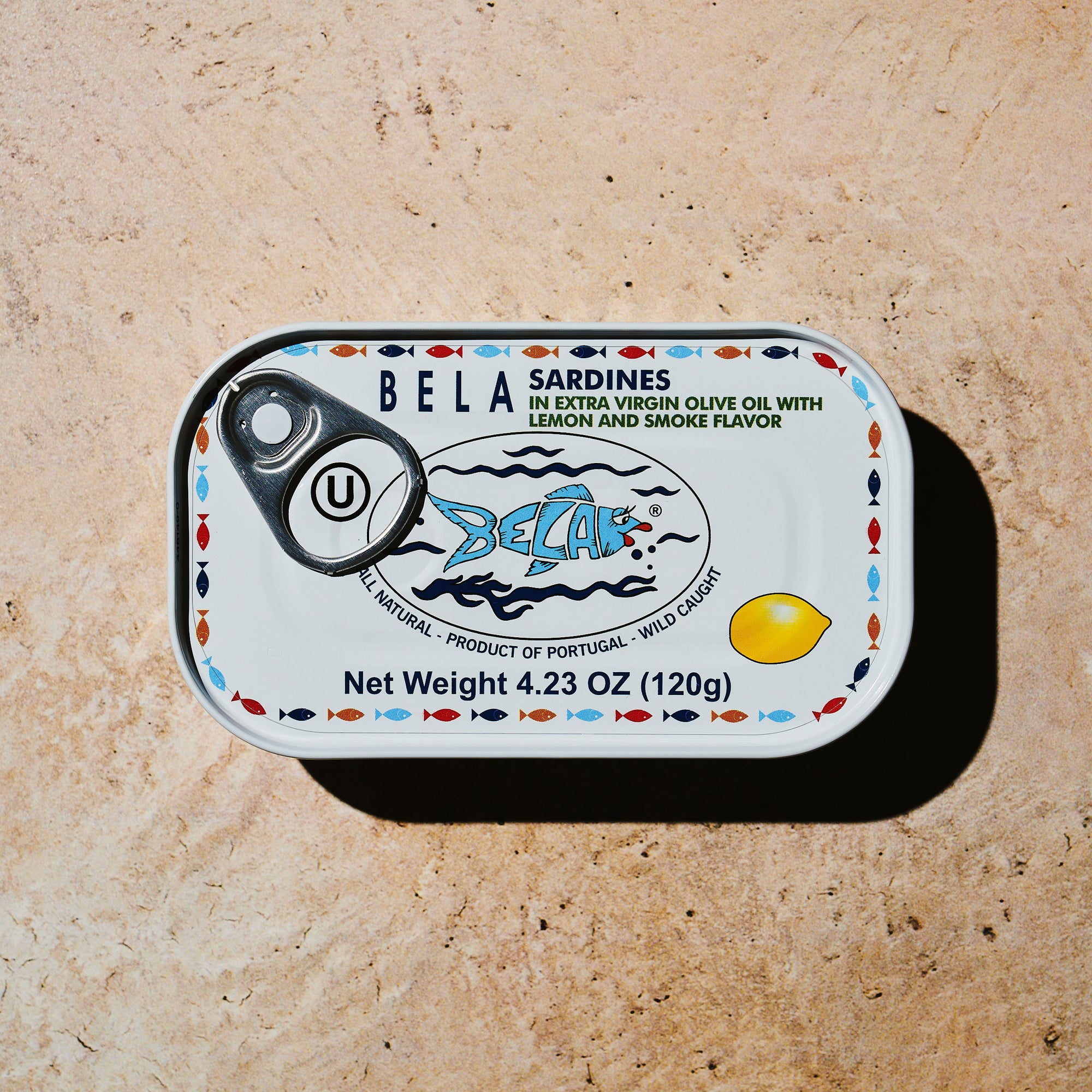
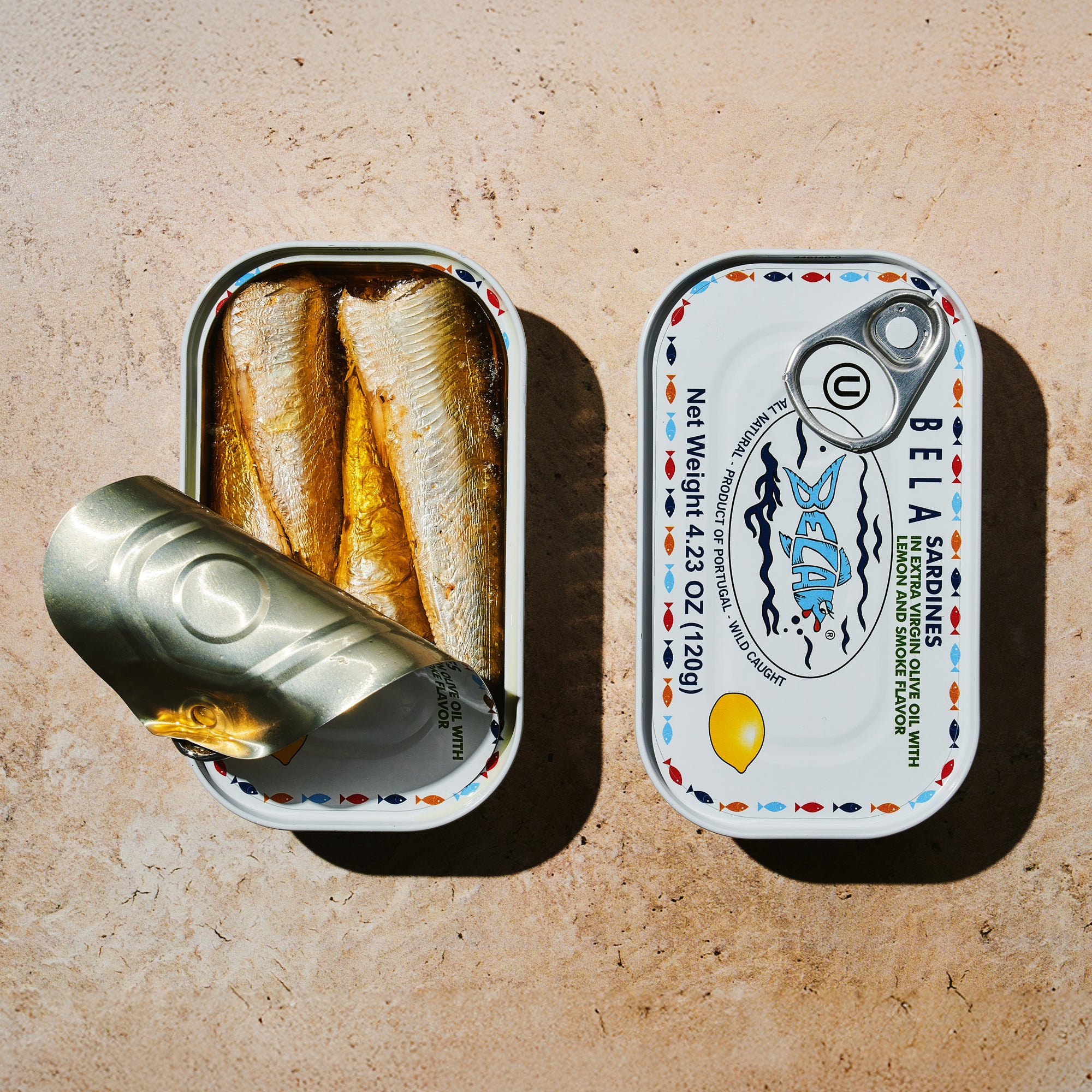
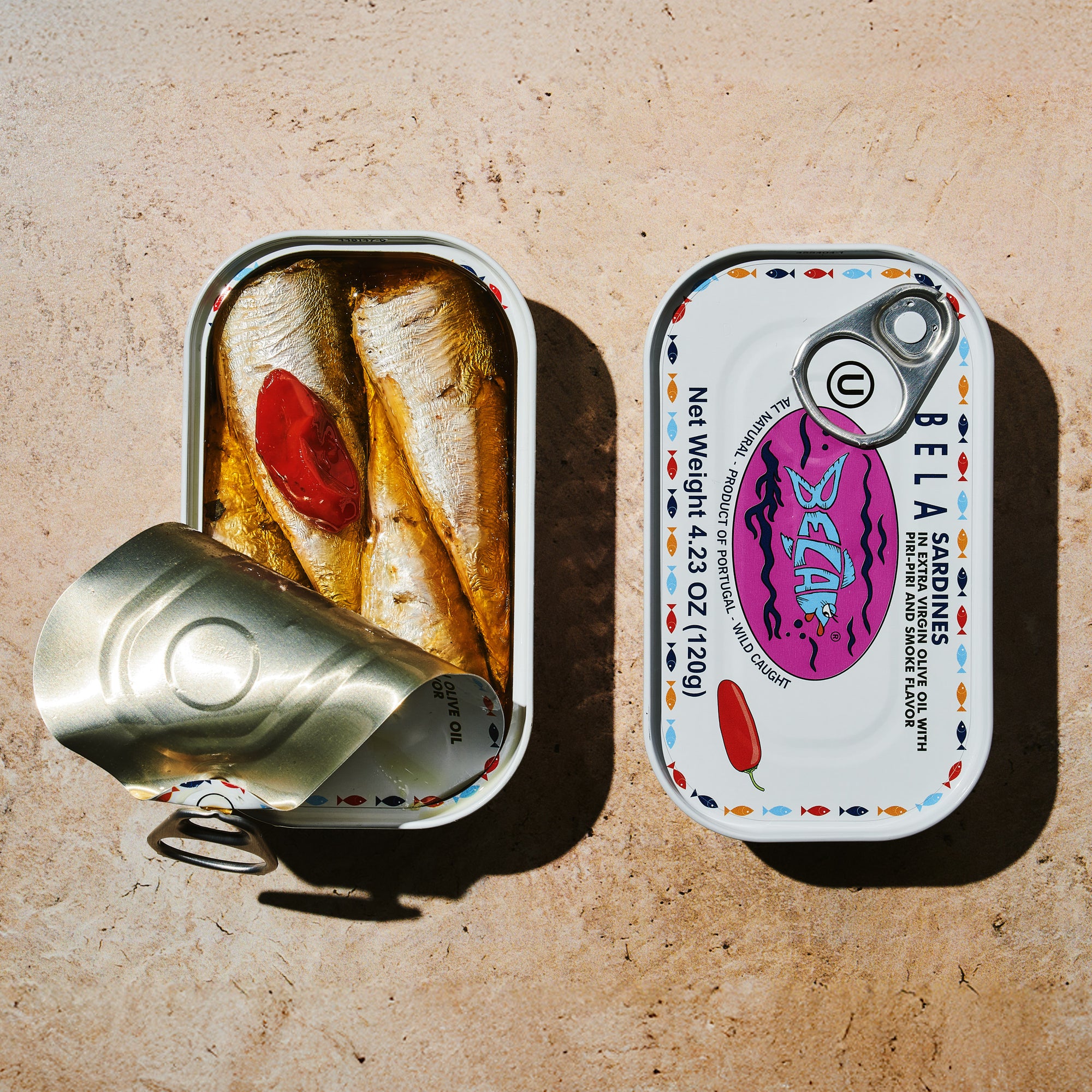
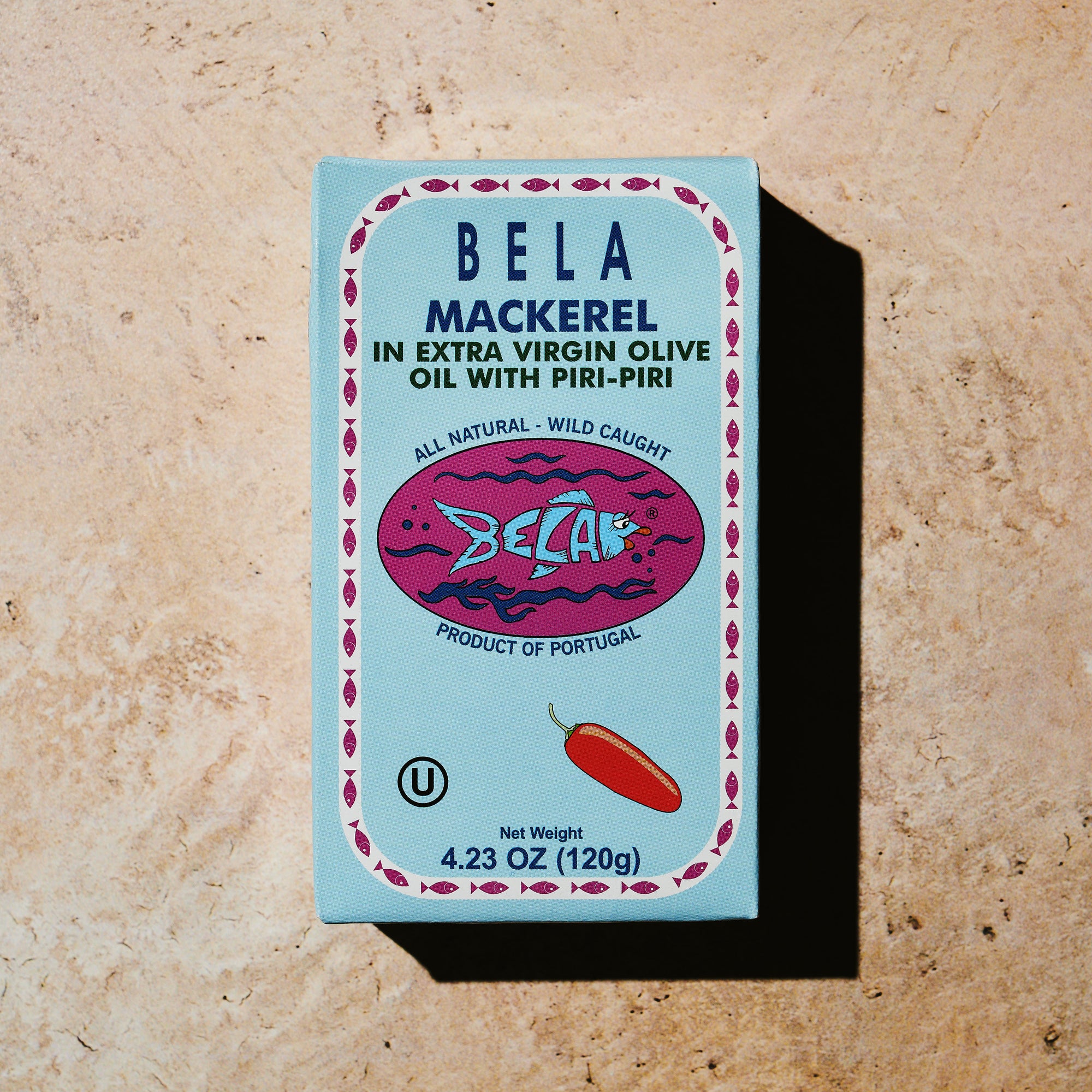
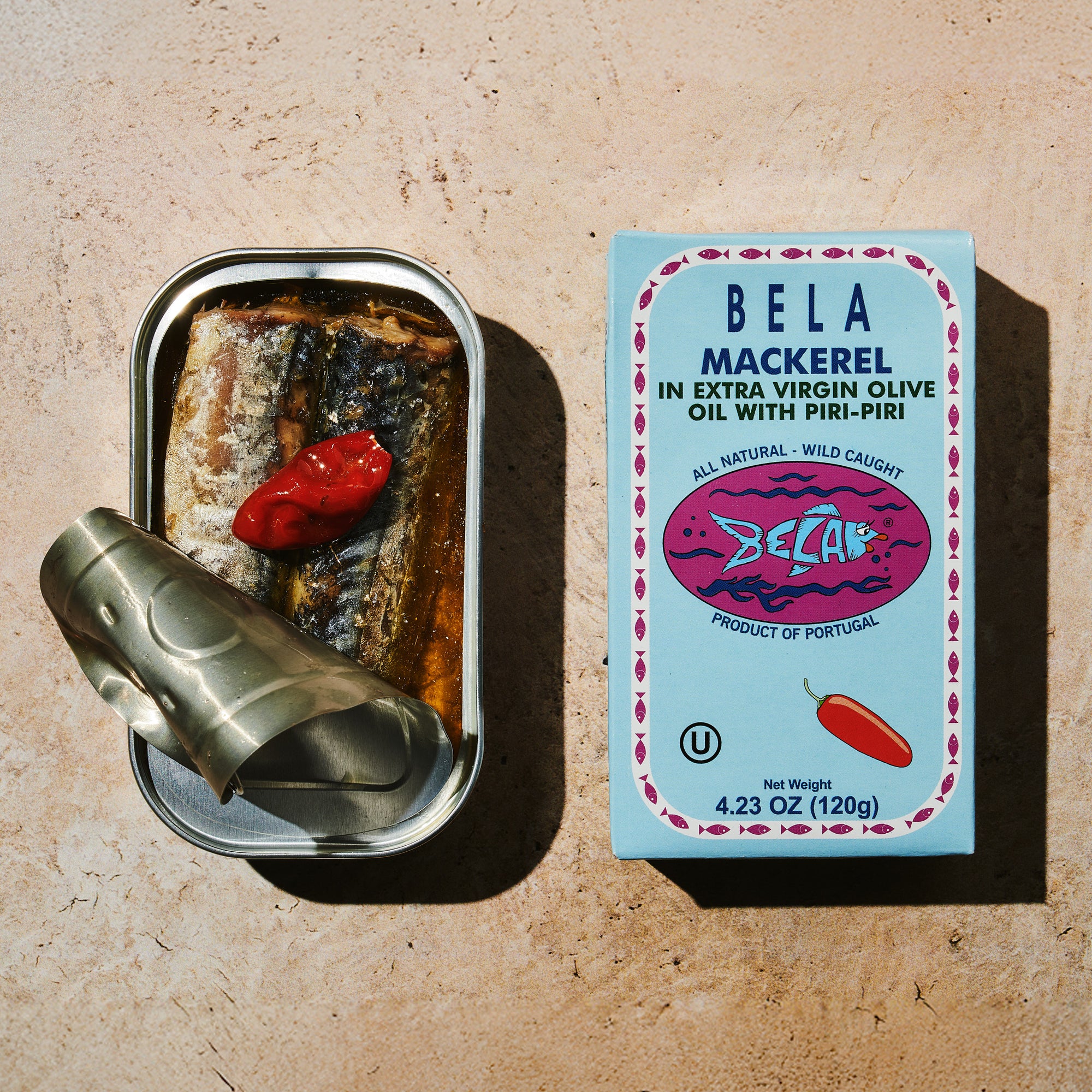
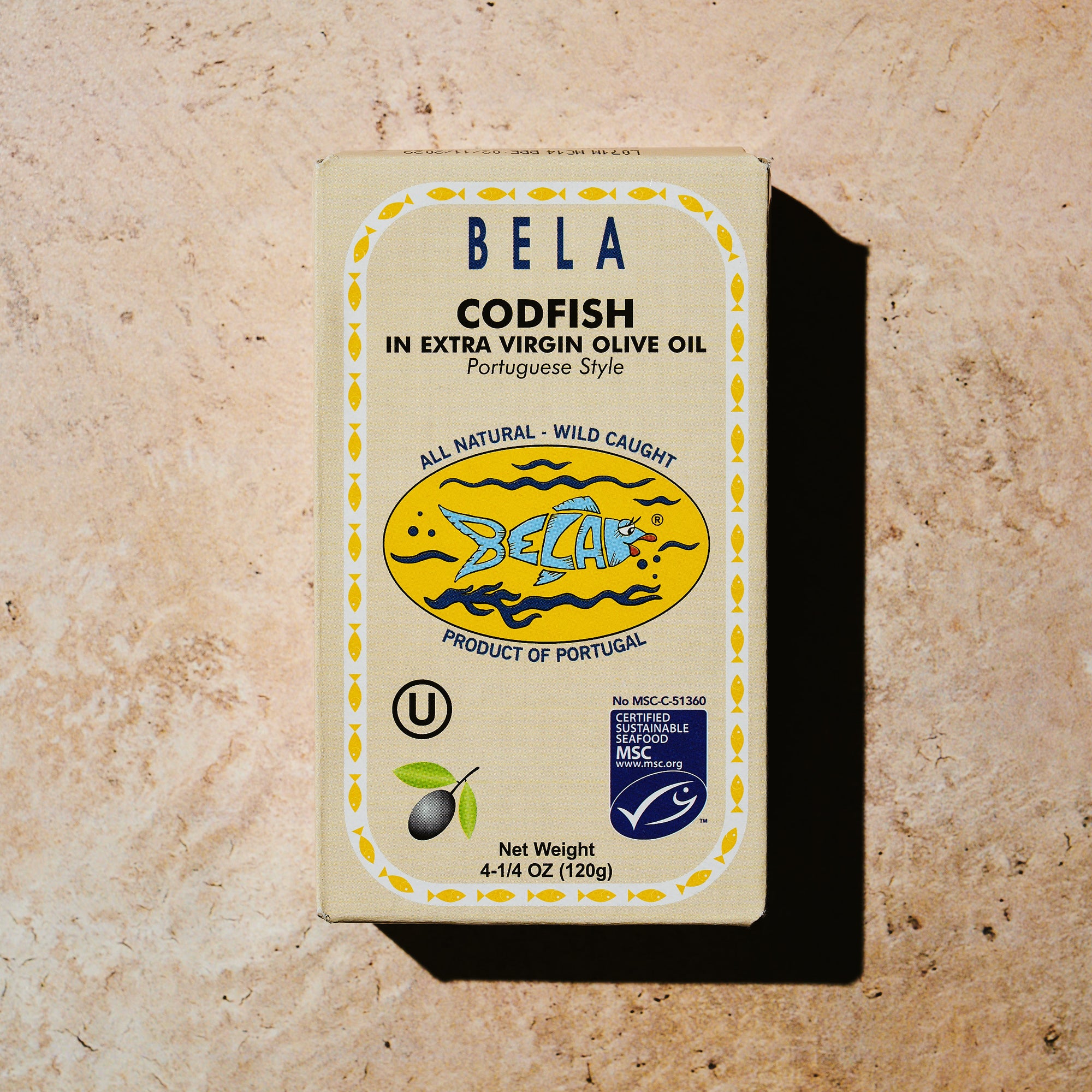
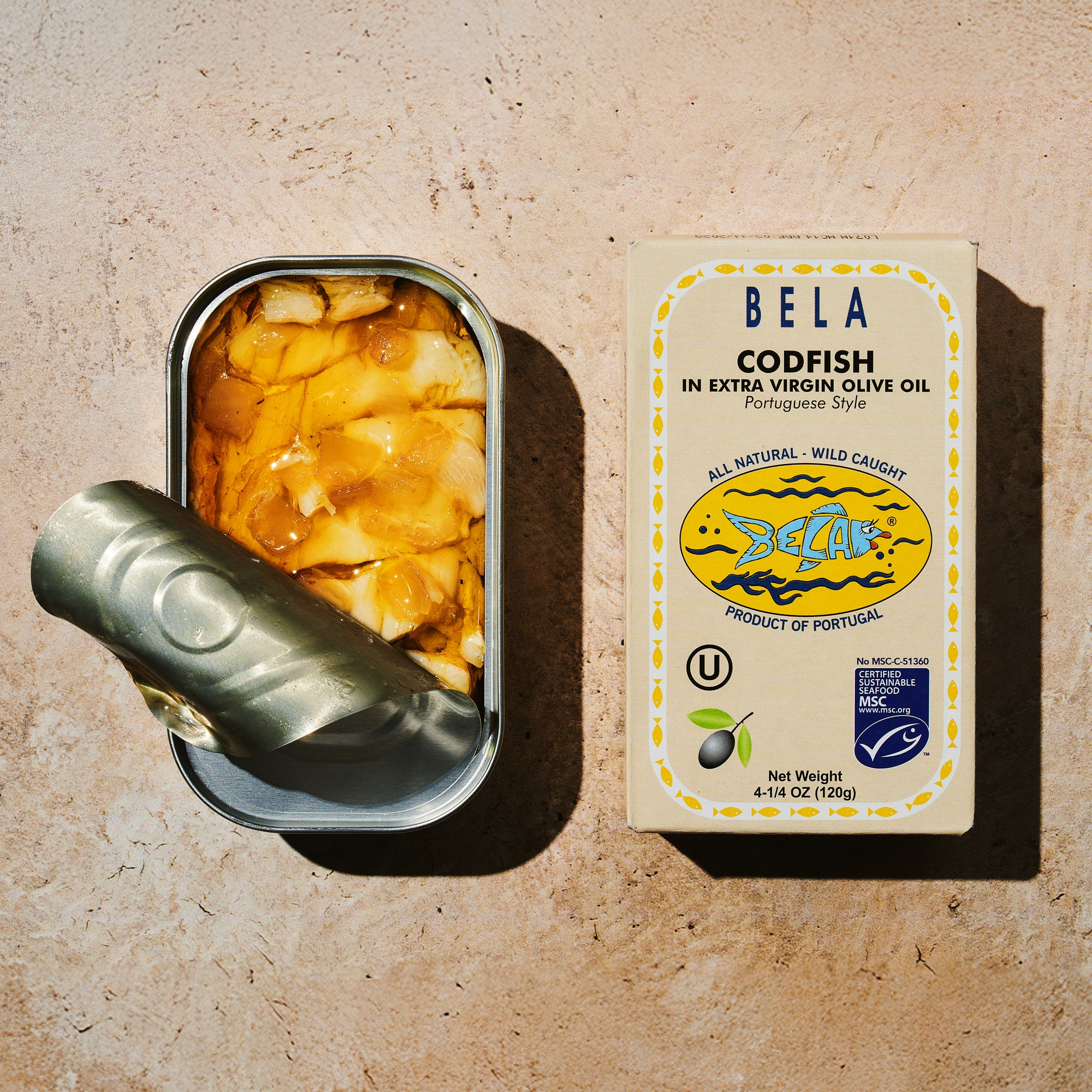
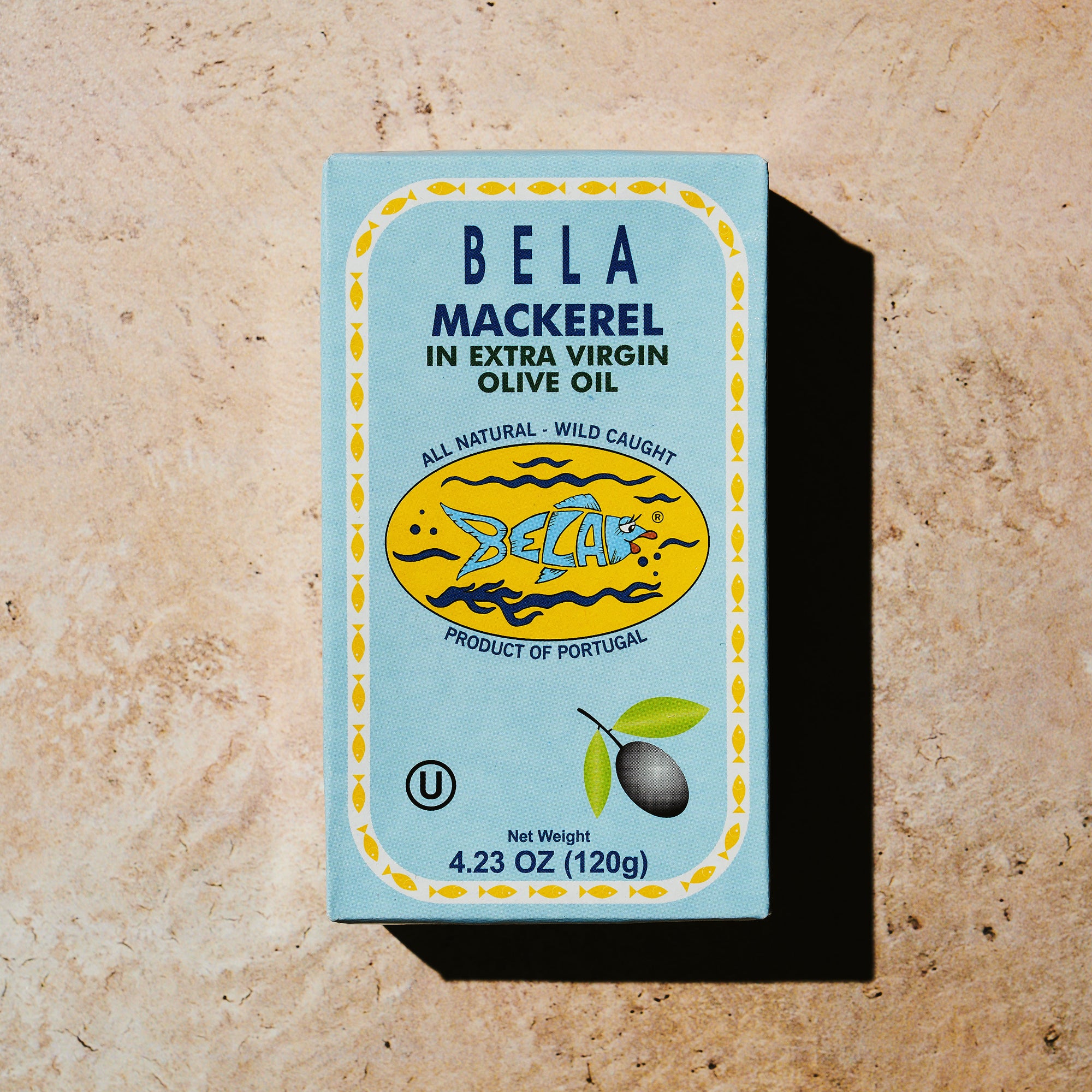
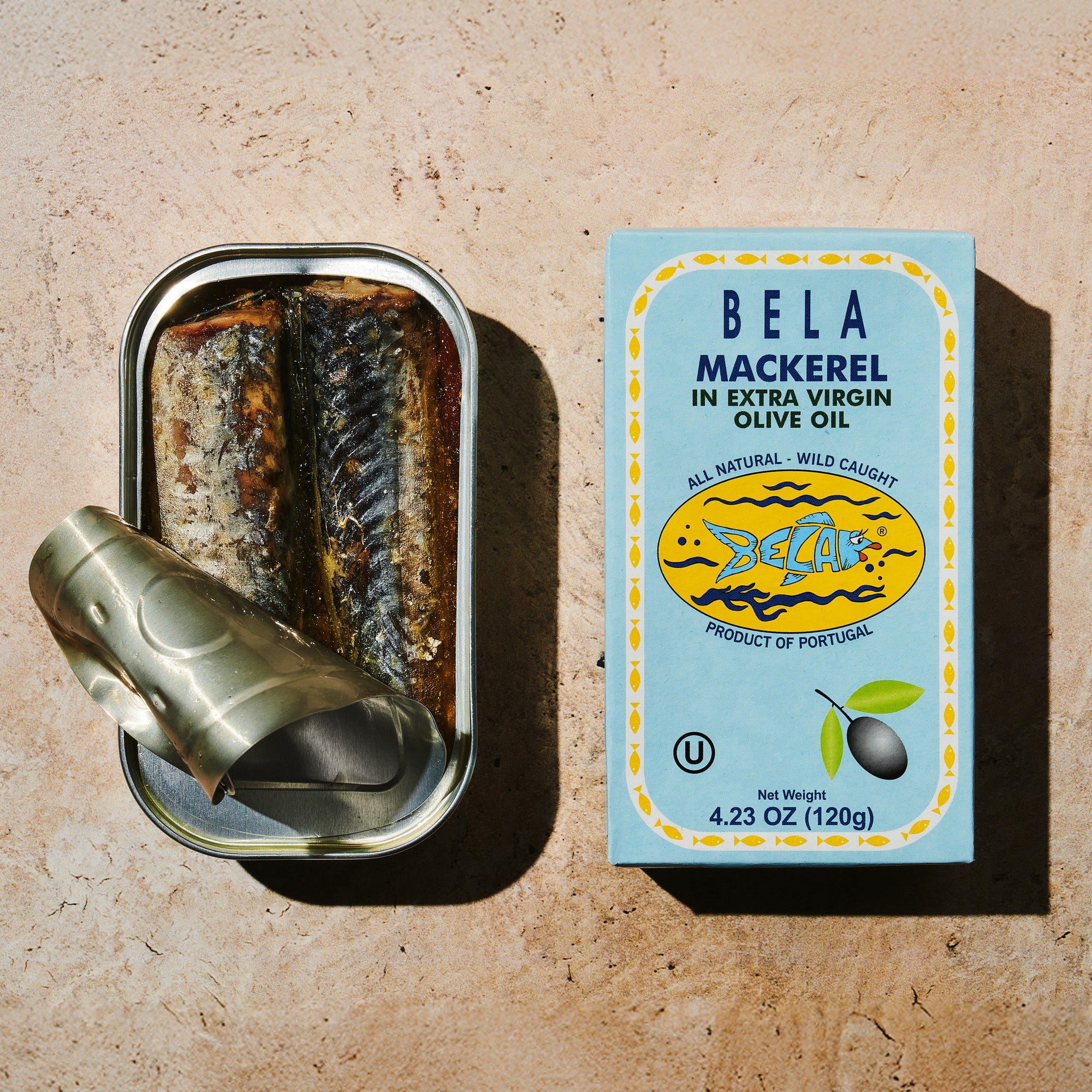
Olive oil is not a garnish in a tin of fish. It's the preservation method. It seals the fillets away from air, holds the texture where a brine would break it down, and carries flavor the way water never can.
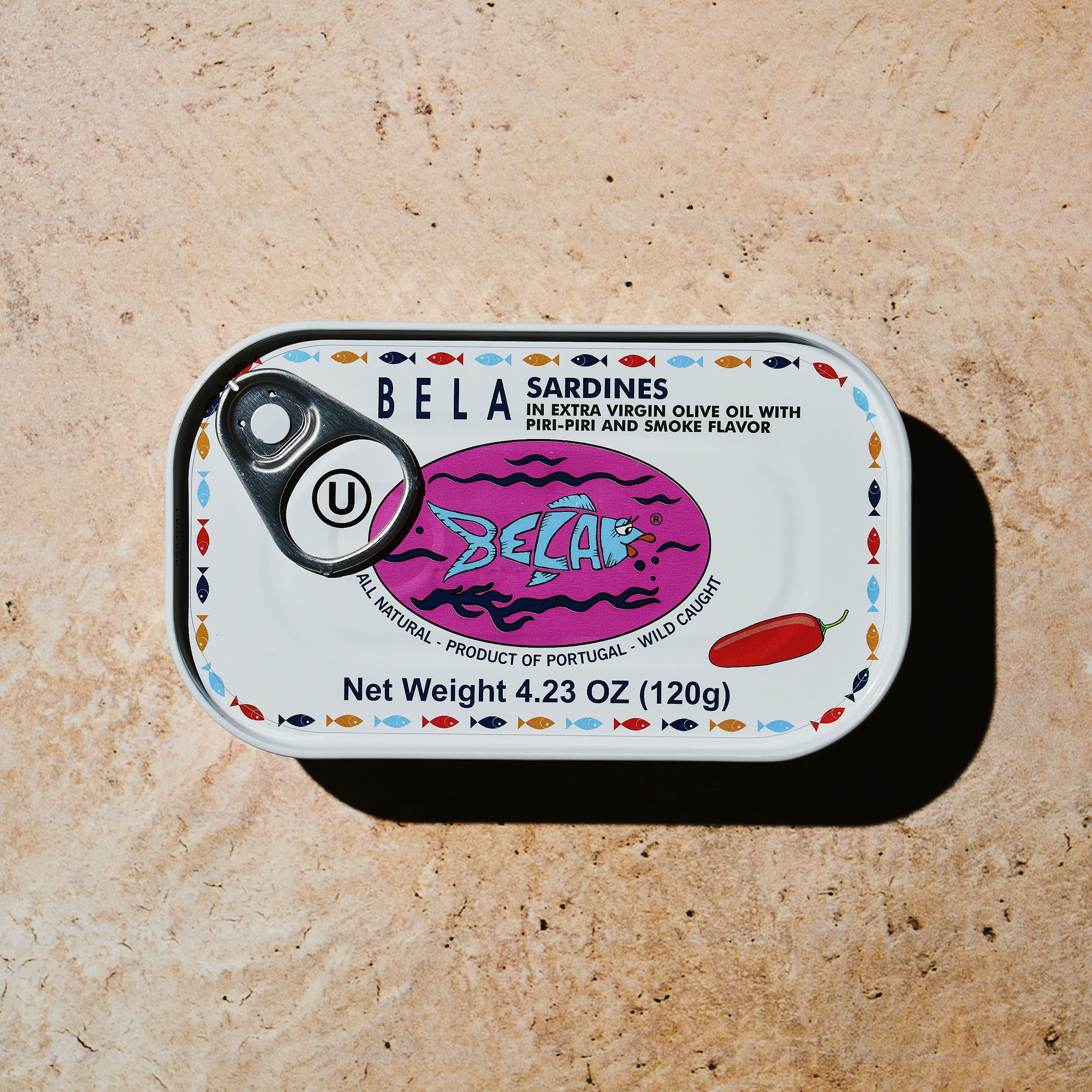
Olive oil also got expensive over the last few years, and plenty of brands quietly swapped theirs out for something cheaper. "Packed in oil" on a label can mean almost anything now. We didn't swap, and we won't. Organic extra virgin olive oil is the best way we know to preserve fish, and it has been since our first tin.
Five ingredients. That's the whole list.
The Benefits of Extra Virgin Olive Oil
Extra virgin olive oil is unrefined, which is the entire point. It's pressed from fruit and nothing else is done to it, so what's naturally in the olive stays in the oil: monounsaturated fat, vitamin E, and the polyphenols that give a fresh oil its grassy bite and peppery finish. Refined oils are stripped of most of that on the way to becoming shelf-stable and flavorless.
In a BELA tin, it's sitting alongside fish that brings its own: omega-3 fatty acids, calcium, and 20 grams of protein in a tin of sardines.
Which is a long way of saying the oil is not the compromise in the tin. It's half the reason to open one.



Where BELA's Olive Oil Comes From
A fifth-generation family farm in Talhas, in the Trás-os-Montes region of northern Portugal.
Trás-os-Montes is one of Portugal's protected-origin olive oil regions, the way certain valleys in France are protected for wine. It's high, dry, and cold in winter, which is hard on trees and good for oil. Portugal is now the world's seventh-largest olive oil producer and fourth-largest exporter, and on pace to be third by 2030. Most people don't know that, because the American shelf is dominated by two other flags.
Some of the trees in this grove are more than two thousand years old and still bearing fruit. It has survived fire, drought, and everything else twenty centuries can throw at it. Young trees now grow between the old ones, planted by a family that expects to still be there in a hundred years.


