Is Tinned Fish Sustainable? Four Facts for National Seafood Month
Four facts about tinned fish for National Seafood Month, and why the 12-pack is the one to buy.
October is National Seafood Month. Here are four facts about tinned fish: how much of a fish gets eaten, what's in it, how it travels and how it gets to your door. Each one comes with the reason it matters.
1. A Fillet Uses Less Than Half the Fish

Filleted for a restaurant plate, as little as 30% of a fish gets eaten. Depending on the species, fillet yields usually run between 30% and 50%, because the head, frame and skin get cut away. Flounder and sea bass sit at the low end.
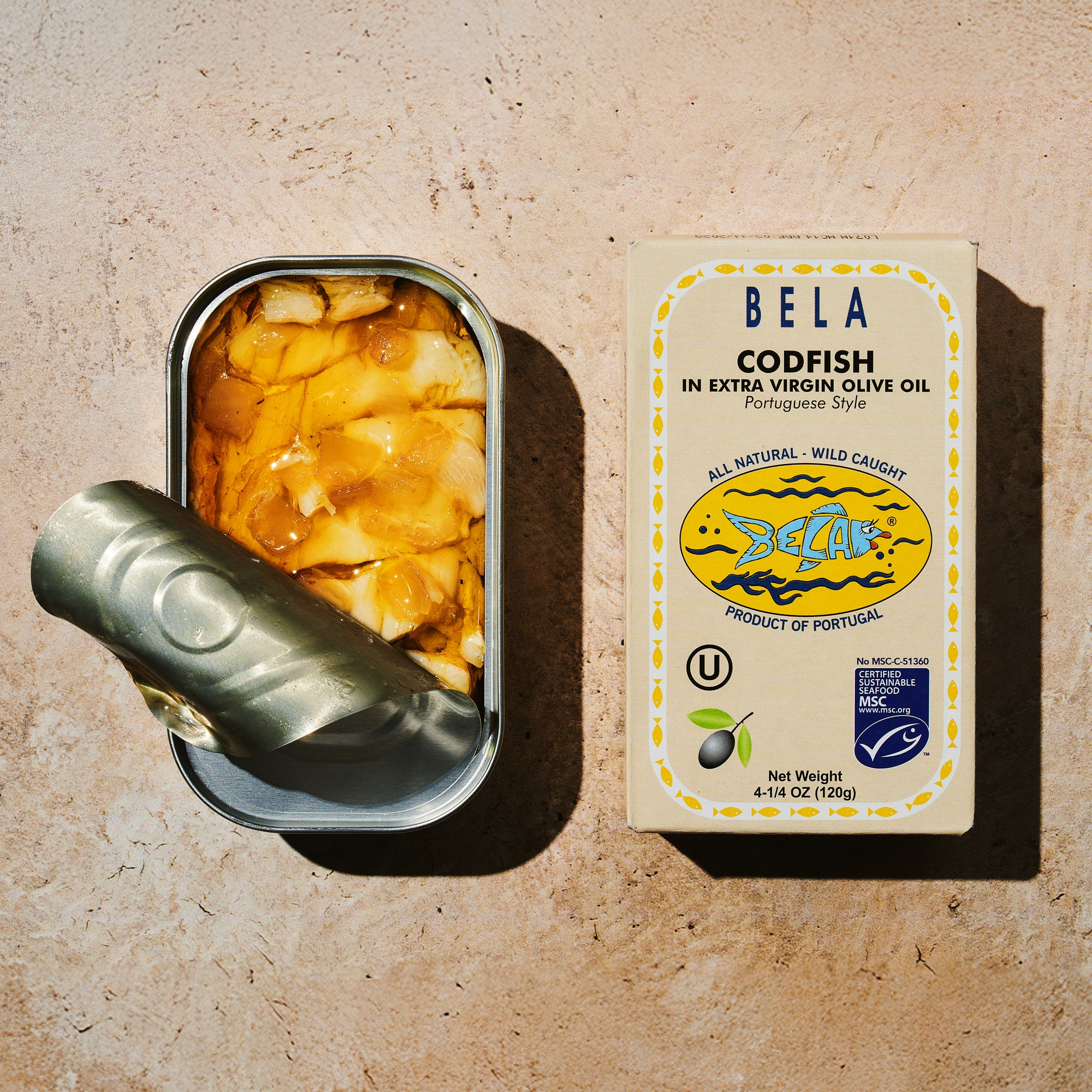
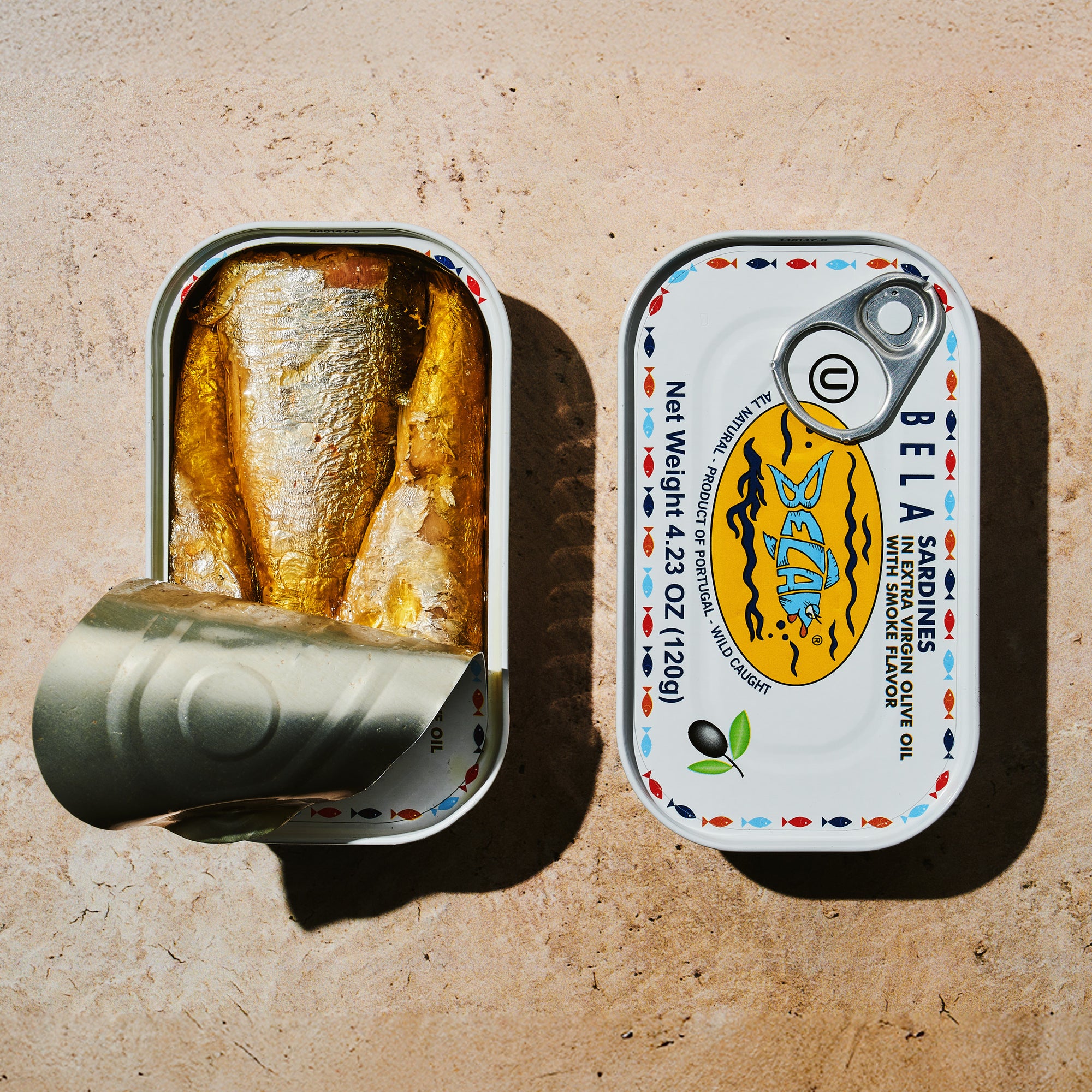
Tinned, about 70% of a sardine gets eaten. Only the head and guts come off. Canning softens the skin and bones until they're tender enough to eat, which is also why a tin of sardines carries calcium.
The oil is the last part to use. It's organic extra virgin olive oil from a family farm in Portugal, so put it in a dressing or fry an egg in it. Then rinse the tin and recycle it with your cans. Read about the oil in every tin.
2. Small Fish, Low Mercury
Sardines live short lives eating plankton, which leaves little time for mercury to build up in them. That's why the FDA and EPA list sardines as a Best Choice for low mercury.
3. No Fridge Required
Fresh fish has to stay on ice or in a freezer from the dock to your kitchen, and that cold storage runs on energy the whole way. Tinned fish needs no refrigeration. A tin can travel and wait in a cabinet at room temperature until you're ready for it.
4. One Box, Twelve Tins

A 12-pack arrives in one box, with one label and one delivery stop. Buying the same twelve tins as four 3-packs takes four of each. Most of the footprint of an online order comes from packaging and the last leg of delivery, and Bain & Company found that doubling the items in an online order cuts per-item emissions by about 30%.
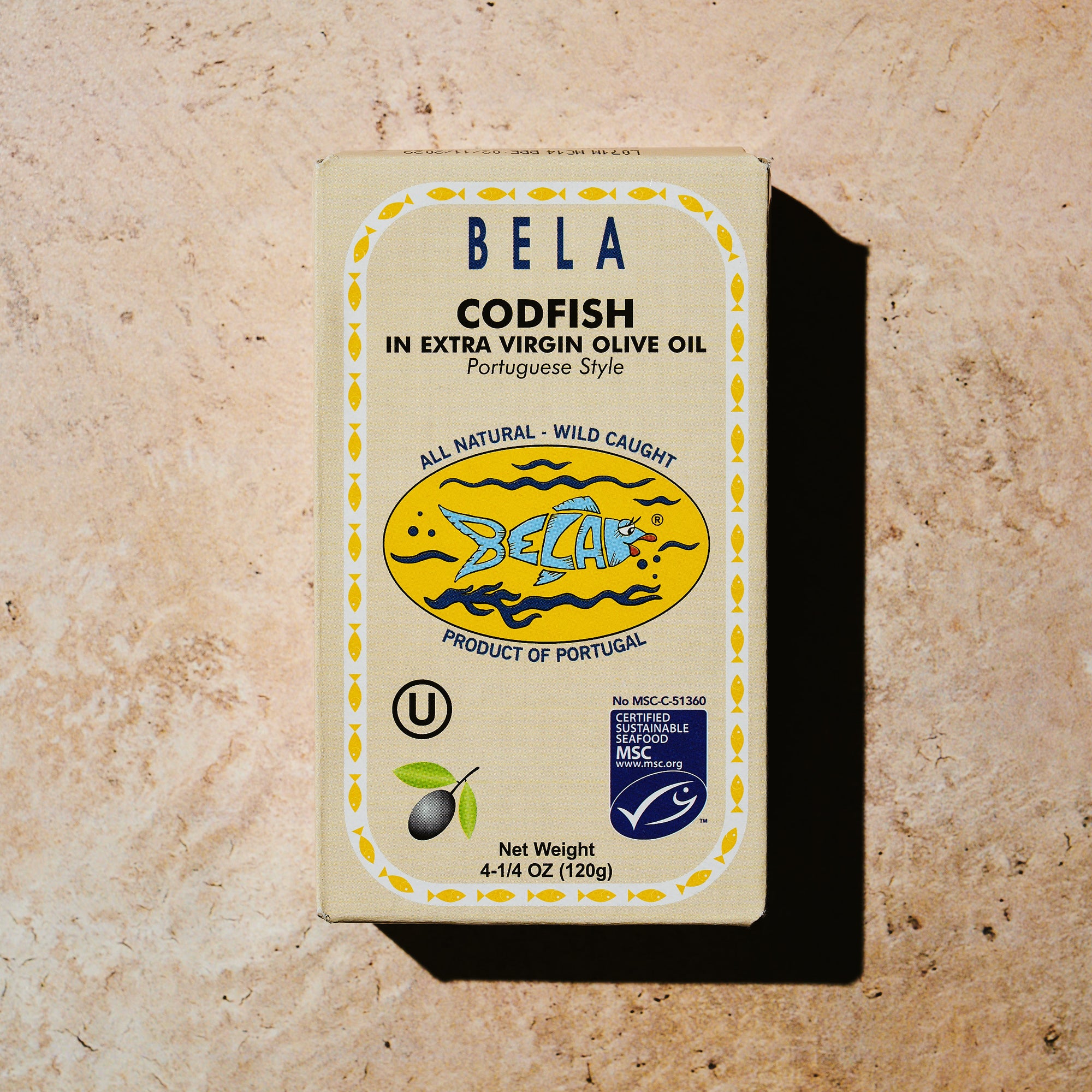
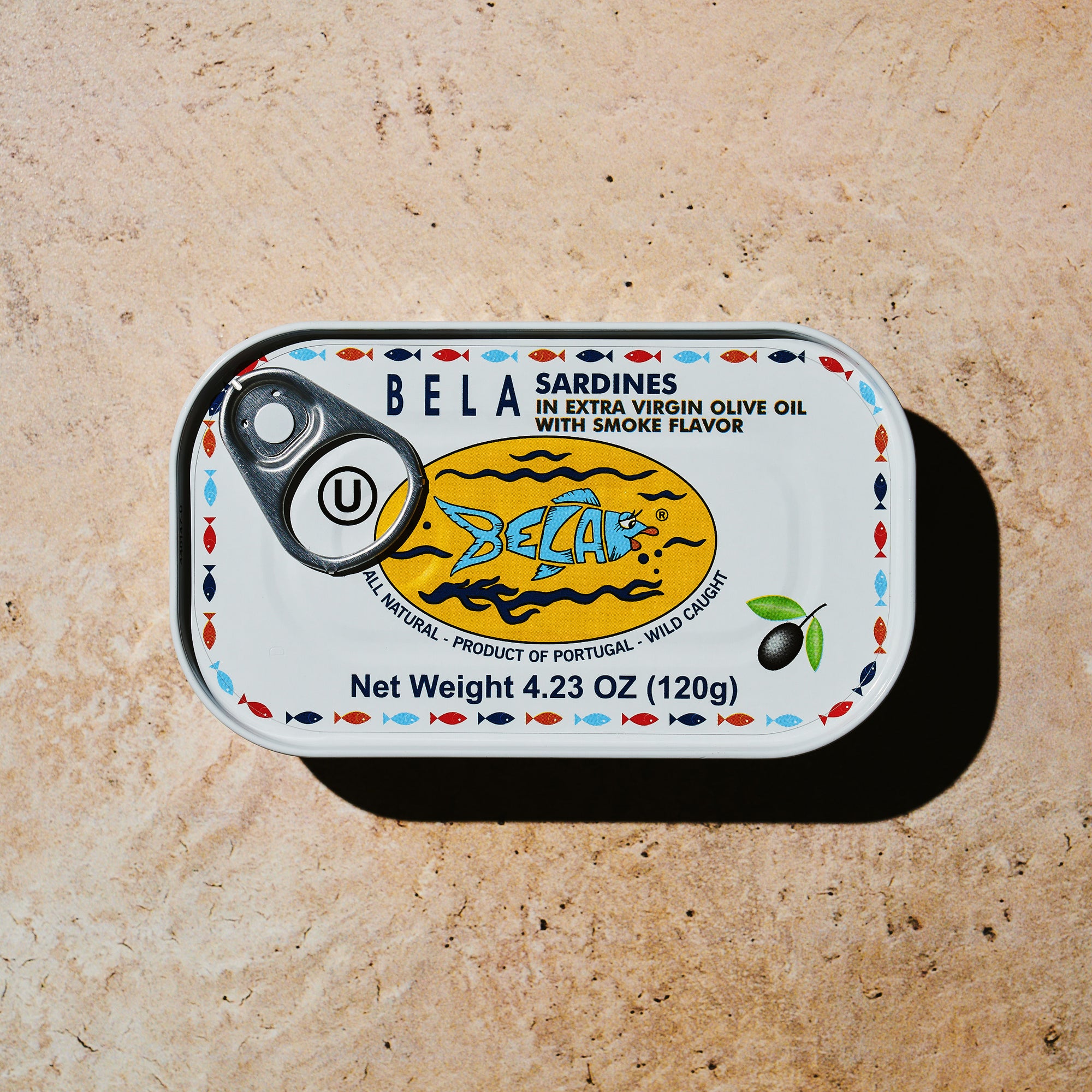
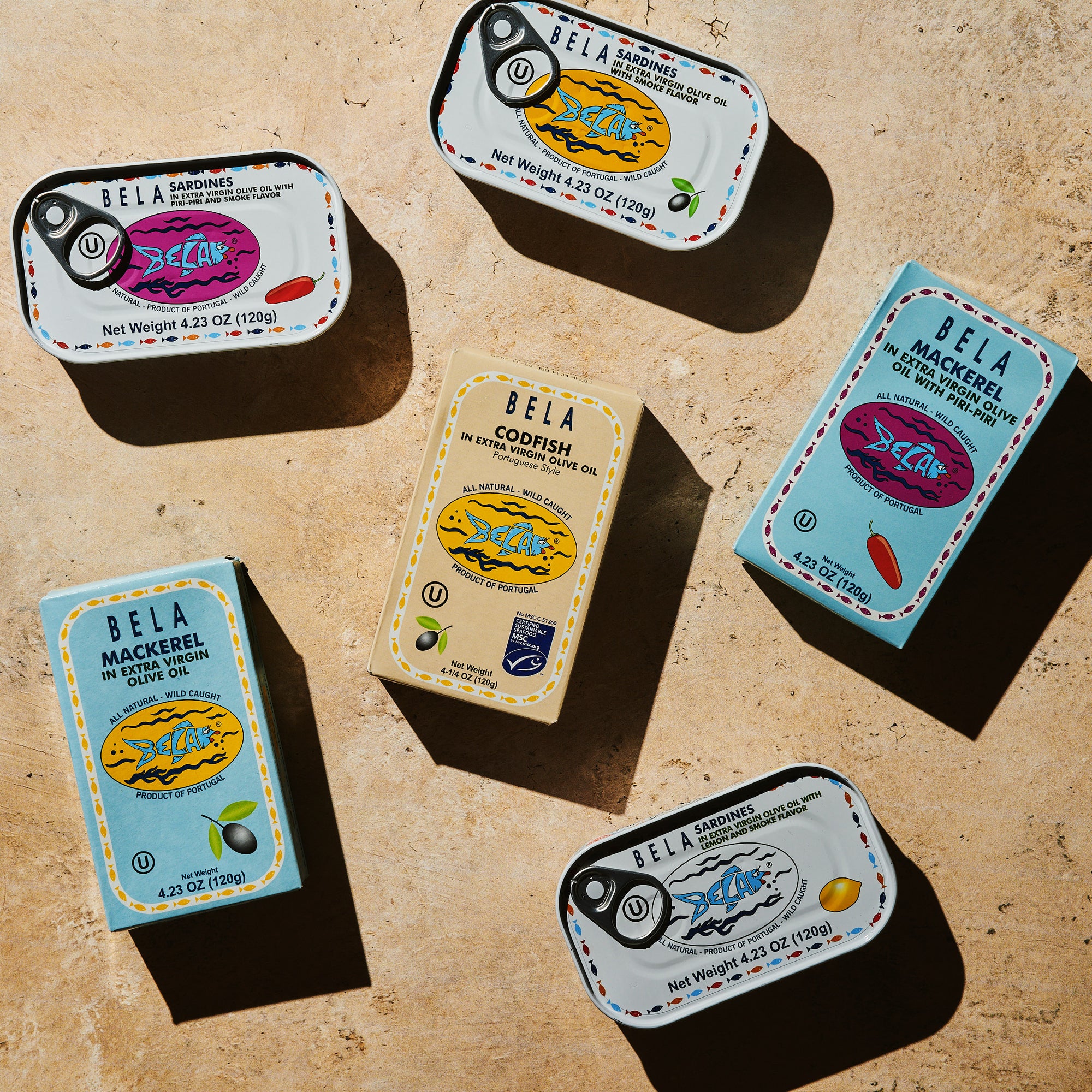
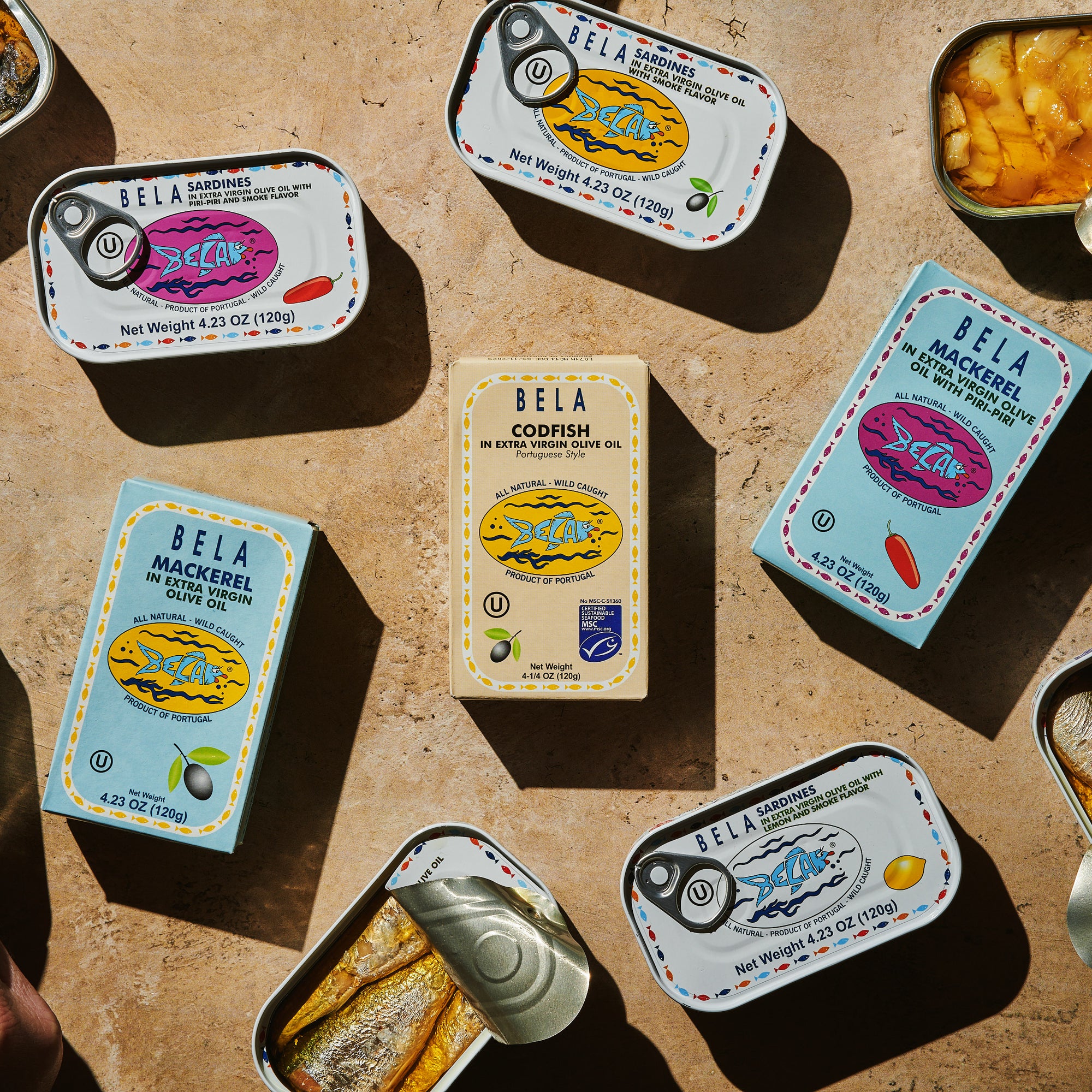
At one or two tins a week, a 12-pack lasts six to twelve weeks. Pick your favorite: sardines, mackerel or cod.
What to Cook With Twelve Tins
FAQ
Is tinned fish sustainable?
Small fish like sardines reproduce fast and eat plankton. Tins need no refrigeration, more of the fish gets eaten, and the tin is recyclable.
Does tinned fish waste less than fresh?
For sardines, yes. A fillet uses 30 to 50% of a fish. A tinned sardine uses about 70%, because the skin and bones are eaten.
Are sardines low in mercury?
Yes. Sardines are on the FDA and EPA's Best Choices list because they are small, short-lived and eat plankton.
Which BELA pack size should I buy?
The 12-pack. It ships in one box instead of four and lasts six to twelve weeks at a tin or two a week.