
Ingredients
- 2 large russet potatoes
- 2 tin BELA Mackerel Fillets in Organic Extra Virgin Olive Oil
- ½ yellow onion, grated
- 3 tbsp butter
- 2 eggs
- 1 tsp salt
- ½ tsp black pepper
- 2 tbsp flat-leaf parsley, chopped
- Lemon, to finish
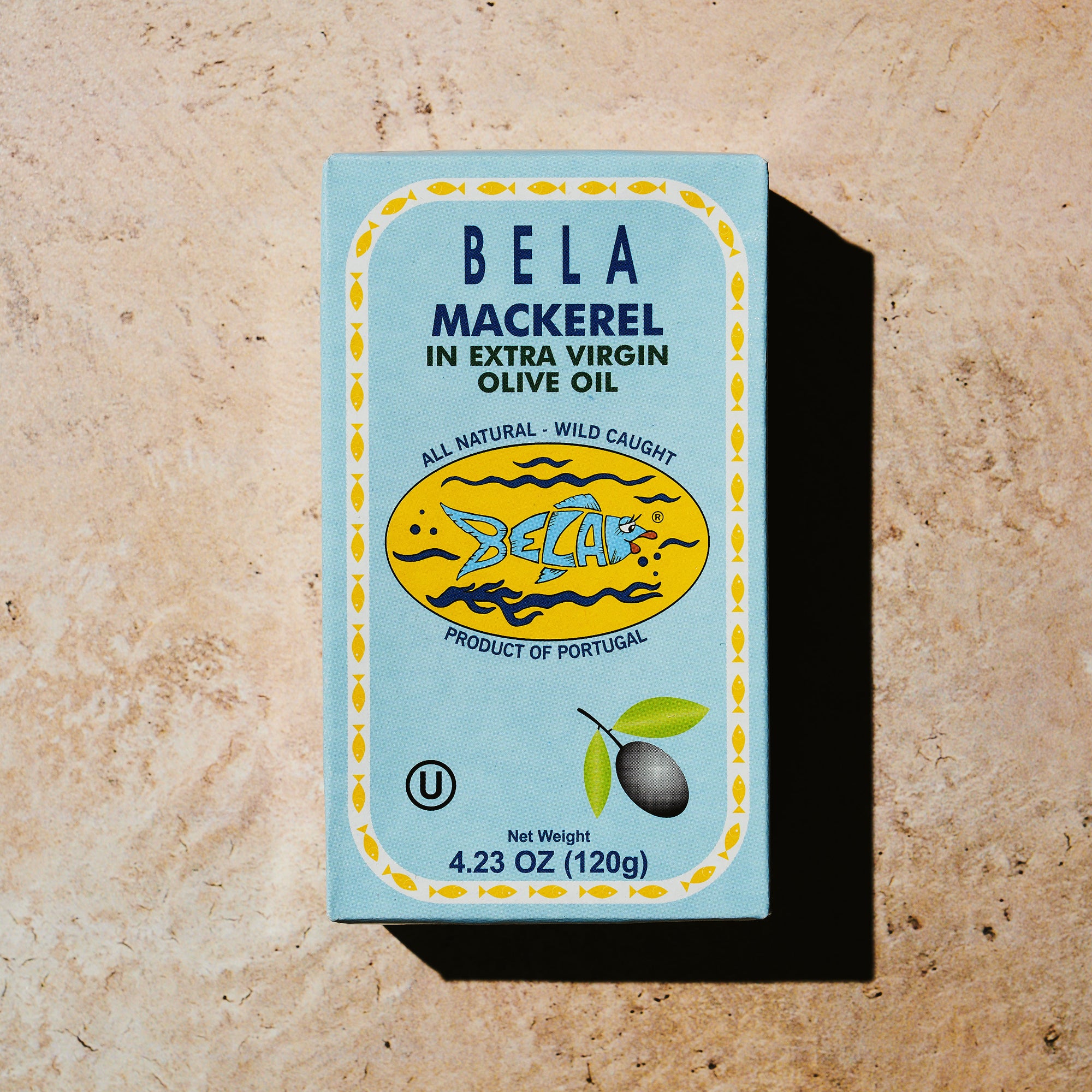
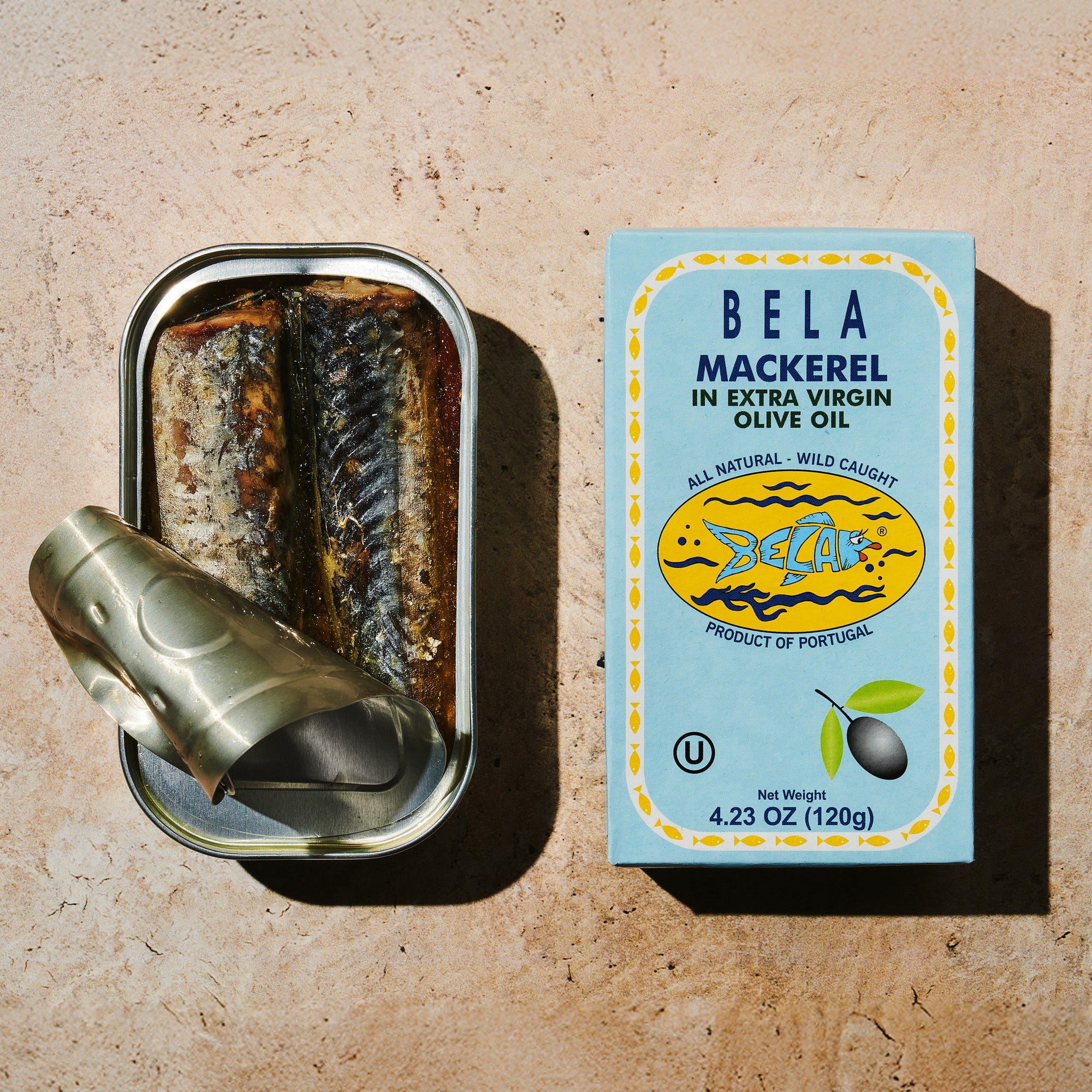
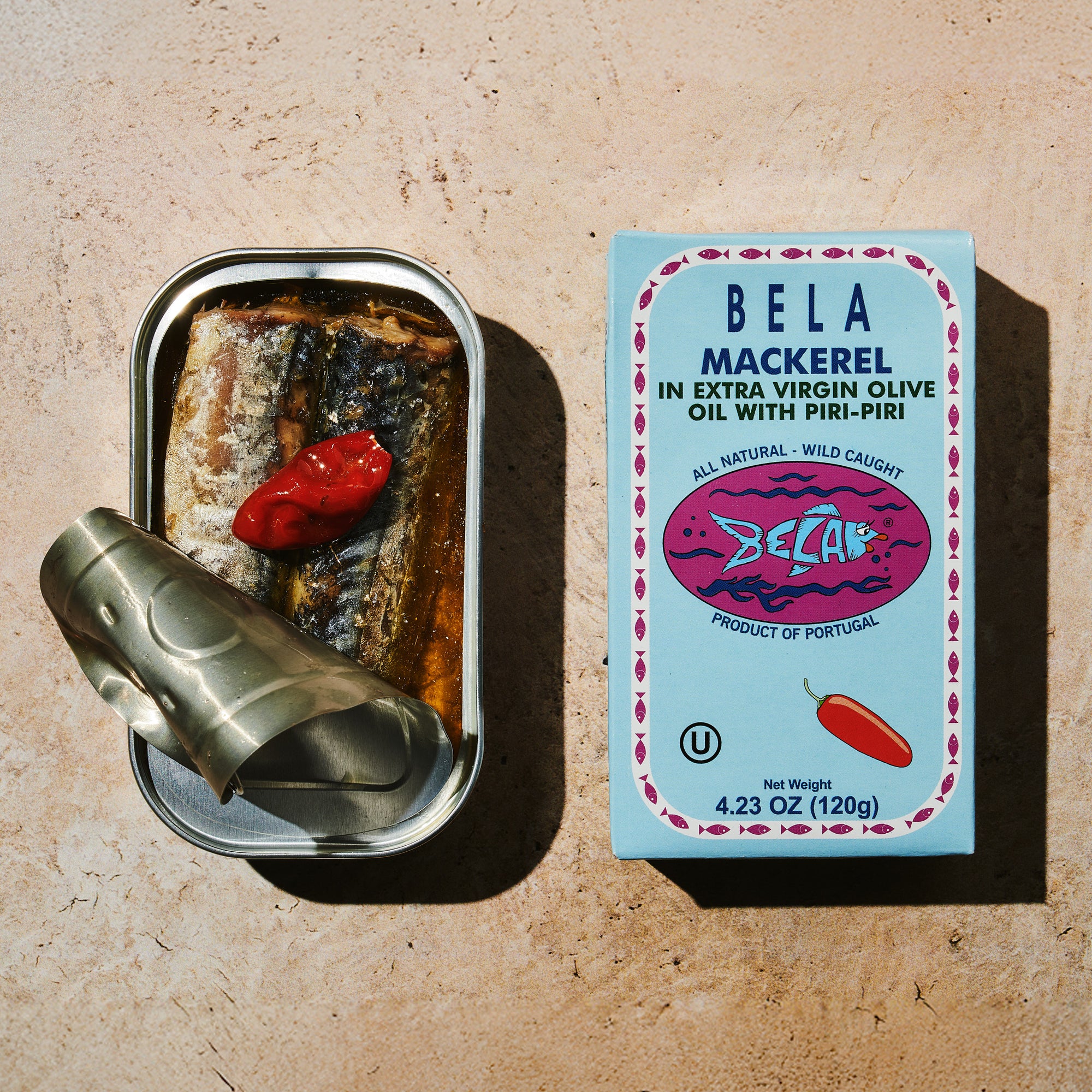
Hash browns have always had the same problem. You nail the crisp, you nail the gold edges, and underneath it's still potato. Mackerel fixes it. The fish goes into the shred, not on top, so every strand gets seasoned and the crust picks up something savory and briny it has never had. Ours comes from Portugal, packed the day it's caught in organic extra virgin olive oil. The oil goes in too.
Breakfast That Eats Like Dinner
Shredded potato, flaked tinned mackerel, one cast iron pan. Fifteen minutes, and the crust does something a diner hash brown has never done.
Why the Fish Goes In, Not On
Laying mackerel over a finished hash brown gives you two separate things on a plate. Folding it into the shred before you press gives you one.
The fish is protected inside the potato, so it browns instead of falling apart. The oil it was packed in coats every strand and crisps the edges harder than butter alone. And the seasoning goes all the way through, which is the part nobody solves with hot sauce at the end.
Mackerel is meatier than sardines and milder than tuna. It holds its shape under heat and it's rich enough that you taste it in every bite of potato, not just the bites that happen to have fish in them.
Mackerel and organic extra virgin olive oil. That's the tin.
What You'll Need
Serves 2 · 15 minutes
- 2 large russet potatoes
- 1 tin BELA Mackerel Fillets in Organic Extra Virgin Olive Oil
- ½ yellow onion, grated
- 3 tablespoons butter
- 2 eggs
- 1 teaspoon salt
- ½ teaspoon black pepper
- 2 tablespoons flat-leaf parsley, chopped
- Lemon, to finish
No onion? Skip it. No parsley? Chives or scallion. The two things you cannot substitute are the cast iron and the potatoes being genuinely dry.
Step 1: Wring the Potatoes Out. Then Wring Them Again.
Shred both potatoes on the large holes of a box grater. Pile them into the center of a clean kitchen towel, gather the corners, and twist over the sink until water stops running out. Then twist harder.
This is the whole recipe. Wet potato steams. Dry potato fries. Everything that happens after this step depends on this step.
Step 2: Drain the Tin — Keep the Oil
Open the tin over a small bowl and let the fillets drain for a minute. Set the oil aside. You're cooking the eggs in it later, and whatever's left goes on toast tomorrow.
Flake the mackerel into rough pieces with a fork. Big pieces. You want to see the fish in the finished crust, not a uniform gray mash running through it.
Step 3: Mix It With Your Hands
Toss the dry shreds with the grated onion, salt, and pepper. Add the flaked mackerel and work it through with your fingers until it's evenly distributed.
A spoon will clump the fish. Hands won't. Thirty seconds.
Step 4: Press It Down and Walk Away
Melt 2 tablespoons of butter in a 10-inch cast iron over medium-high until it stops foaming. Add the mixture and press it flat with a spatula into one even sheet, edge to edge.
Now leave it alone for five minutes. Don't poke it. Don't lift a corner to check. Every time you move it, you interrupt the crust that's forming underneath.
Step 5: The Flip
Slide the remaining tablespoon of butter around the edge of the pan and let it run under. Get your spatula fully beneath the sheet, commit, and turn the whole thing in one motion.
Four more minutes on the second side. It won't crisp as evenly as the first — that's fine, the first side is the one that faces up.
Step 6: Fry the Eggs in the Tin Oil
Cut the hash into wedges and plate them. Wipe nothing out of the pan. Pour in the reserved mackerel oil, crack the eggs straight into it, and fry them hard so the whites go lacy at the edges.
One egg per plate, set on top. Parsley across everything. Squeeze of lemon — the acid is what keeps a rich plate from sitting heavy.
Break the yolk over the crust before you cut into it.
Cast Iron or Nothing
Nonstick will cook this. It won't crisp it. The crust comes from potato starch bonding to hot seasoned metal, and a nonstick surface exists specifically to prevent that from happening.
Cast iron or carbon steel, ten inches, preheated properly. If your only pan is nonstick, make the recipe anyway — just don't expect the edges.
A Breakfast Worth Getting Up For
The hash brown is one plate. There are others.
Sardines on Buttered Toast — Smoke sardines, cold salted butter, dark toast, a lot of lemon.
Cod Hash — tinned cod, diced potato, onion, poached egg on top.
Mackerel Scrambled Soft — eggs pulled off the heat early, mackerel folded in at the end so it never really cooks.
Sunday's covered. Open a tin.
