



The Eat-Your-Skincare Plate: What Actually Belongs on It
The "eat your skincare" trend is everywhere right now. Raw carrot salads on TikTok. Sardine smoothies on Reddit. Promises of glass skin in three days.
Most of it is noise.
The part that's real has been sitting quietly in dermatology research for years: your skin reflects what you feed it. Nutrition isn't a replacement for topical skincare, but it's the layer underneath it — the one that actually builds the skin your products are trying to protect. Dermatologists have a name for it: nutritional dermatology. The Mediterranean diet, in particular, has been shown to support skin health across multiple conditions.
So forget the three-day promises. The better question is: what would a plate actually built for your skin look like?
The Skincare Plate, by the Numbers
Think of your plate like a pie chart. Four slices. Each one tied to a specific function your skin depends on, and weighted by how much space it should take up in a typical meal.
You don't need every slice in every meal — but across a week, this is the plate your skin is asking for.
40% — Fatty Fish and Healthy Fats
The biggest slice, and the one most people skip entirely.
Cold-water fatty fish — sardines, mackerel, salmon — are the most concentrated dietary sources of EPA and DHA, the omega-3 fatty acids that live inside the membrane of your skin cells. They help regulate inflammation, support the skin barrier, and may help protect against UV-related collagen damage over time. Your body cannot produce EPA and DHA on its own. You have to eat them.
Healthy fats make up the other half of this slice: organic extra virgin olive oil, avocado, nuts, seeds. Your skin is built from fat. Without enough of it in your diet, the skin barrier weakens, moisture escapes, and the nutrients from the rest of the plate don't get absorbed — vitamins A, D, E, and K are all fat-soluble, meaning they require dietary fat to enter your bloodstream at all.
This is why the slice is 40%. Nothing else on the plate works without it.
30% — Leafy Greens and Water-Rich Foods
The second-largest slice covers two related jobs: building the skin, and keeping it hydrated.
Leafy greens — spinach, kale, arugula, parsley, cilantro — are rich in vitamin C, which your body needs to produce collagen. Collagen is the structural protein that keeps skin firm and elastic; without enough vitamin C, synthesis stalls.
Water-rich foods — cucumber, watermelon, citrus, celery, bell peppers — carry water and the electrolytes your cells need to hold onto it. Your skin is roughly 64% water. When the body is dehydrated, the skin is one of the first places it shows.
Drink water. Eat water, too.
20% — Colorful Produce
Orange and red produce — carrots, sweet potatoes, bell peppers, tomatoes — deliver beta-carotene and lycopene, two carotenoids your body uses for skin cell turnover and modest internal UV protection. Beta-carotene converts into vitamin A, which drives the turnover of old, damaged skin cells.
The raw carrot salad trend has a kernel of truth in it. One plate won't transform your skin, but carrots showing up regularly across a varied diet will.
10% — Berries
The smallest slice — and the one that does the most for long-term skin defense per bite.
Blueberries, raspberries, strawberries, pomegranate, and dark cherries are among the most antioxidant-dense foods you can eat. The polyphenols they contain help neutralize the oxidative stress that drives visible skin aging.
A handful a day is enough. Frozen counts.
Where BELA Sits on the Plate
The biggest slice. That's us.
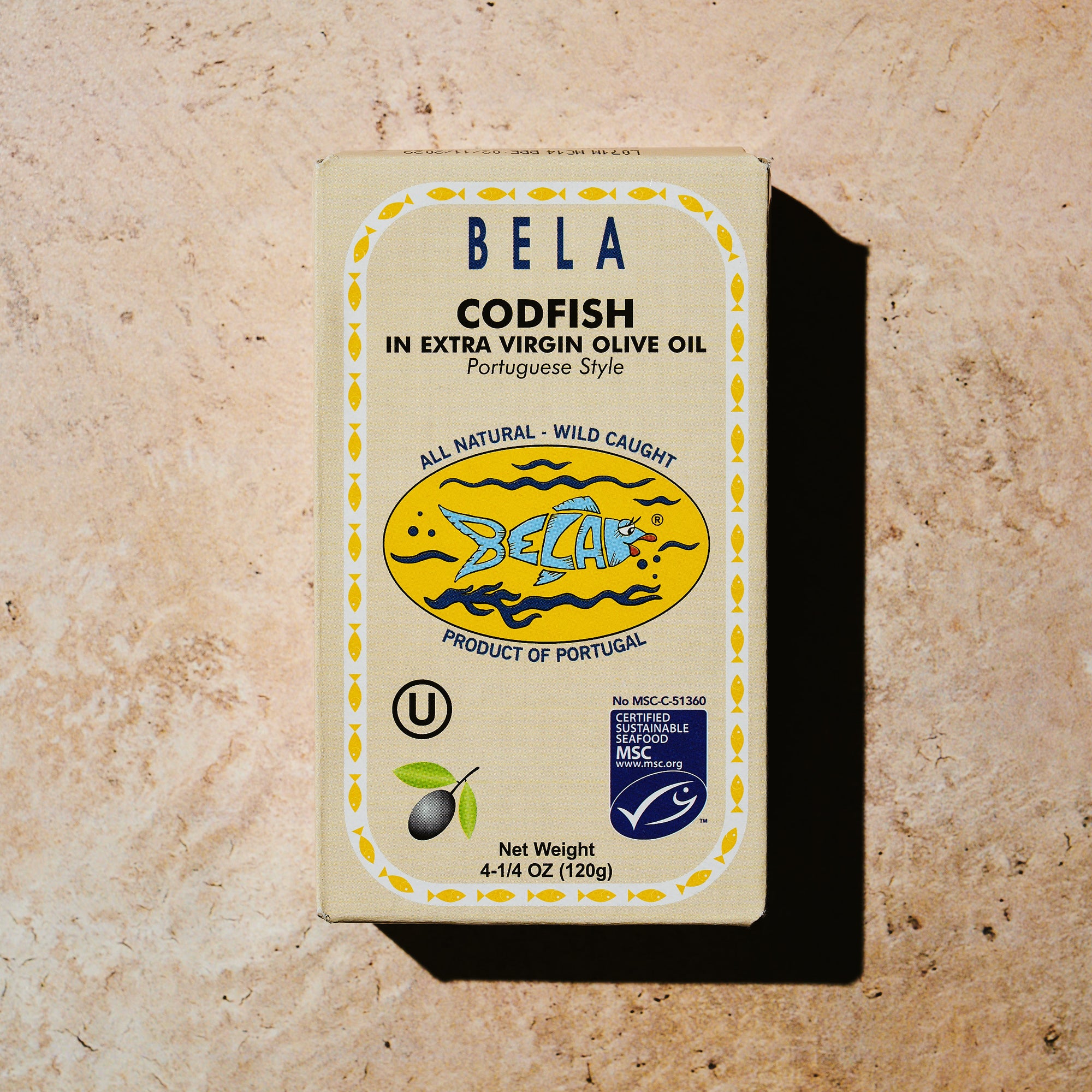
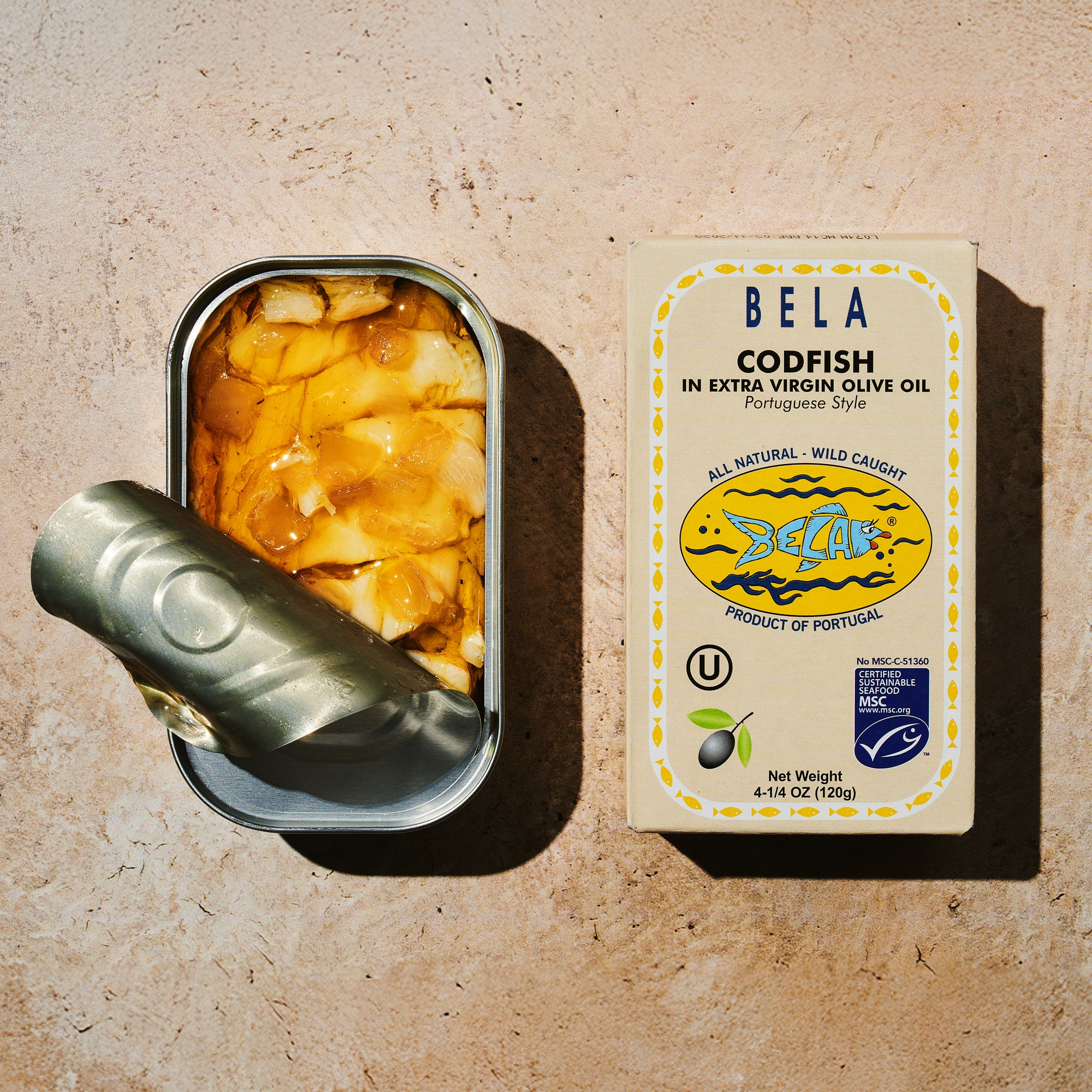
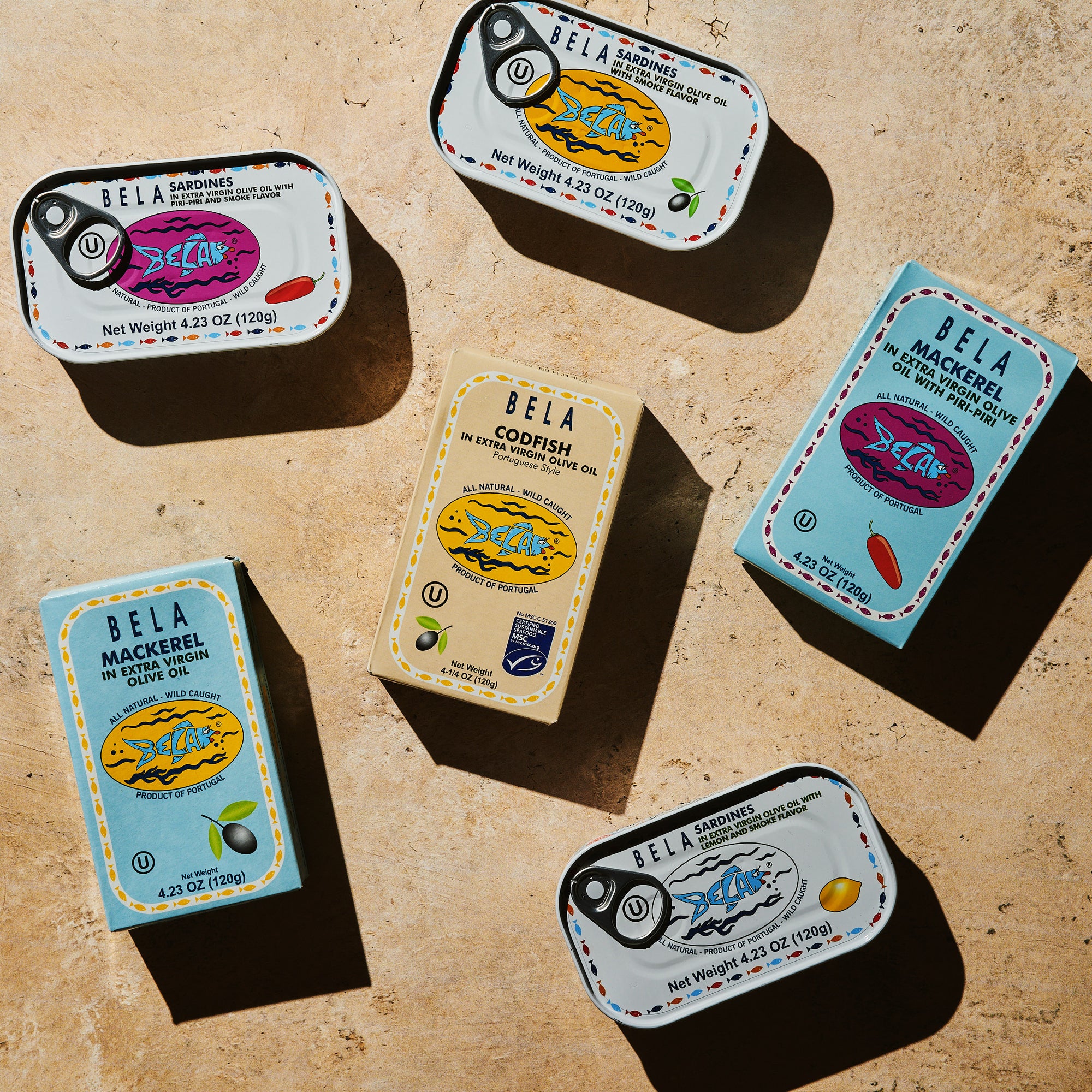
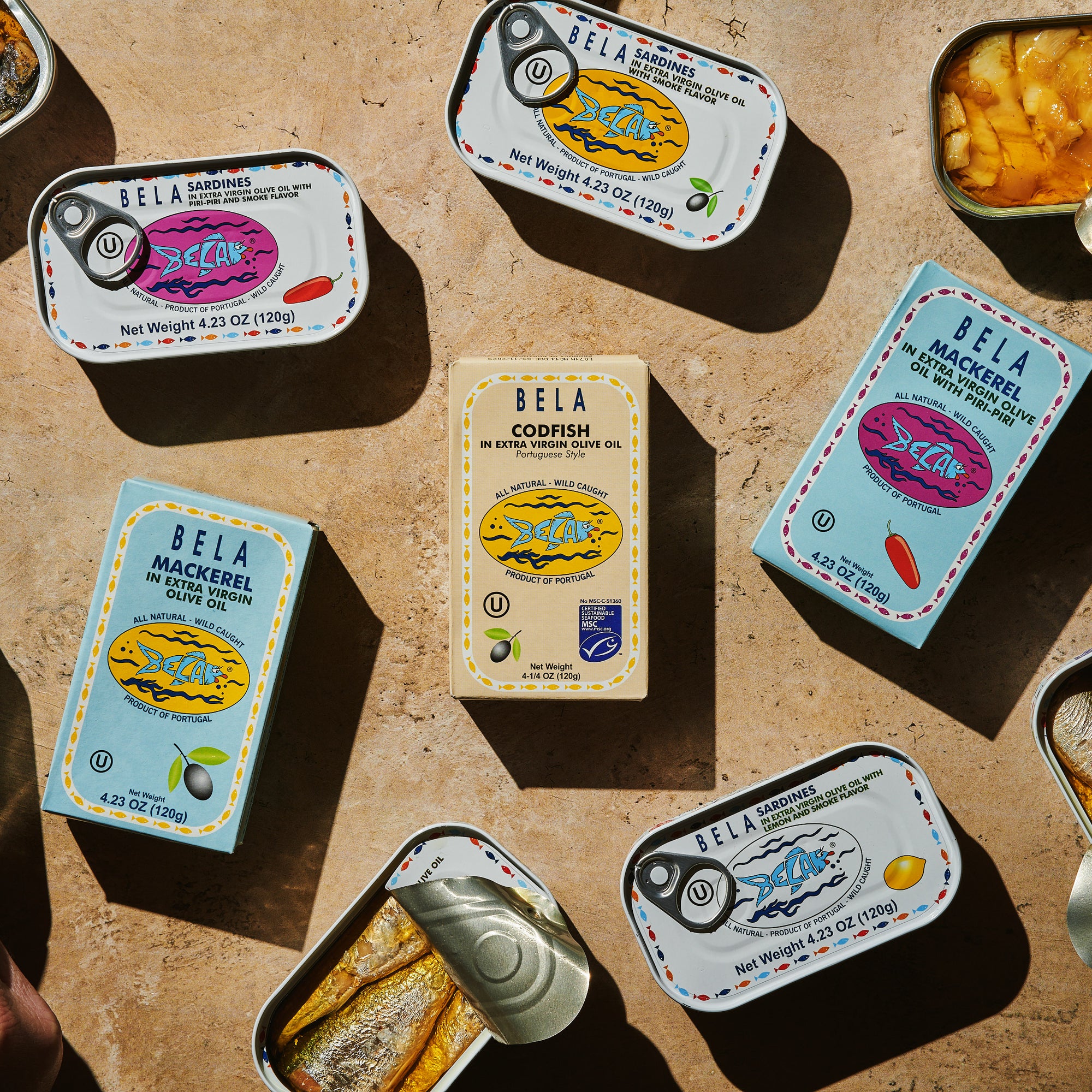
BELA sardines and mackerel are hand-packed at a Portuguese cannery in organic extra virgin olive oil. The only three ingredients on the label are the fish, the oil, and sea salt. That means one tin covers both halves of the 40% slice on its own — the omega-3-rich fatty fish and the organic EVOO that helps your body absorb the nutrients from every other slice.
One tin of BELA sardines also delivers 20 grams of complete protein — the amino acids your skin needs to repair and rebuild its own structure.
No powder. No shaker. No overnight miracle. Just a tin that fills more of the skincare plate than almost any other food in your pantry.
A Sample Skincare Plate Meal
Here's what the plate looks like assembled into one dish.
Sardines on toast with smashed avocado and cherry tomatoes.
Toast a slice of good sourdough. Smash half an avocado on top with a pinch of salt and a squeeze of lemon. Layer on BELA sardines in organic EVOO, straight from the tin. Top with halved cherry tomatoes, torn parsley or basil, and a few cracks of black pepper.
That's all four slices of the plate, in about four minutes:
- Fatty fish & healthy fats (40%) — BELA sardines + organic EVOO + avocado
- Leafy greens & hydration (30%) — parsley/basil + cherry tomatoes
- Colorful produce (20%) — tomatoes
- Berries (10%) — a handful on the side
Done.
The Honest Part
A plate like this won't undo years of sun damage, and it won't replace a well-formulated retinol. What it will do is give your skin the raw material it needs to function — to repair, to stay hydrated, to defend itself against the things trying to break it down.
That's the layer underneath every product you put on top.
The "eat your skincare" trend wasn't wrong. It just needed a better plate.